Thinking about leaving Memphis for Olive Branch? You are not alone. Many buyers looking for more space, a more residential setting, and a strong homeownership market are making that same move. If you are weighing the change, it helps to know what daily life, housing, and move logistics may look like before you commit. Let’s dive in.
Olive Branch Feels Different From Memphis
A move from Memphis to Olive Branch usually means a shift from a larger urban environment to a smaller, less dense city. In 2024, Olive Branch had 47,365 residents, compared with 610,919 in Memphis. Population density is also lower in Olive Branch, with 1,067 people per square mile versus 2,131.8 in Memphis.
That difference often shows up in your day-to-day routine. You may notice quieter residential areas, more detached homes, and a pace that feels more suburban than city-centered. Olive Branch also has an owner-occupied housing rate of 82.3%, compared with 44.9% in Memphis, which points to a market where homeownership plays a much bigger role.
The broader area is also growing. Olive Branch grew 2.1% from 2020 to 2024, and DeSoto County grew 5.7% during that same period, while Memphis declined 2.8%. For you, that can mean continued demand for homes and steady interest in DeSoto County from buyers making a cross-border move.
Housing Costs and Expectations
If you are used to Memphis pricing, Olive Branch may feel like a step up in price. The median value of owner-occupied homes in Olive Branch is $290,000, compared with $169,000 in Memphis. DeSoto County also reflects this higher baseline, with a median home value of $269,600.
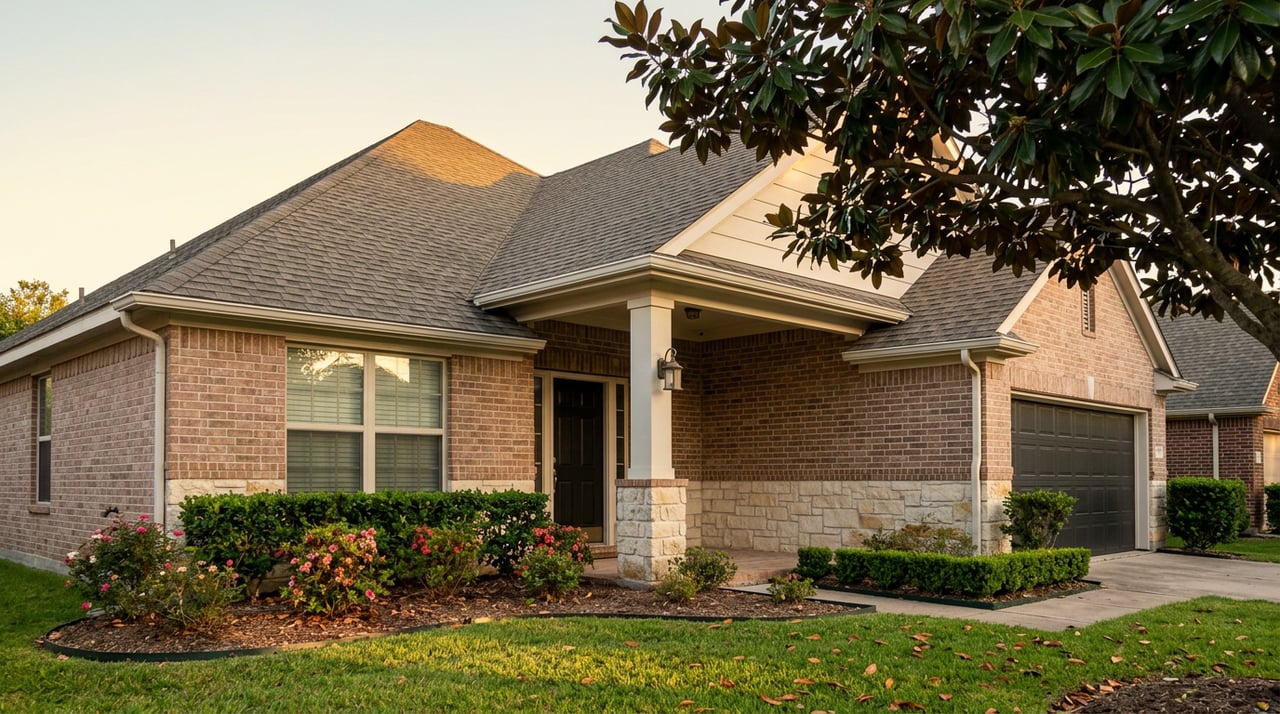
That does not just mean higher prices. It also suggests a housing stock that leans more toward suburban homes and owner-occupied properties. If your goal is more room, a larger lot, or a more traditional neighborhood layout, Olive Branch may align well with what you are looking for.
Renters will likely notice a difference too. Median gross rent is $1,829 in Olive Branch versus $1,181 in Memphis. If you are deciding whether to rent first or buy right away, this gap is an important part of your budget planning.
What the Local Market Suggests
Olive Branch households average 2.73 people, while Memphis averages 2.39. That is one more sign that many buyers moving here are looking for a more residential setup with space to spread out. DeSoto County also has a high owner-occupied rate of 77.9%, which reinforces the area’s homeowner-focused profile.
For many Memphis buyers, this means your search may look different than it would in the city. You may spend more time comparing home size, yard space, subdivision layout, and commute routes instead of focusing only on proximity to downtown amenities. A local agent can help you narrow those tradeoffs based on how you actually live.
Your Commute May Become More Highway-Based
If you plan to keep working in the metro area, commute planning matters. Olive Branch commuters average 24.5 minutes to work, compared with 21.1 minutes in Memphis. That is still manageable for many buyers, but it often means a more highway-driven routine.
The city points residents to key state-maintained roads such as Highway 78/I-22, Highway 305, and Highway 302, also known as Goodman Road. These corridors are central to how many residents move around the area. If you are relocating from Memphis, it is smart to test your likely route during the time of day you would actually drive it.
A few extra minutes may not sound like much on paper. In real life, school traffic, fuel costs, and rush-hour timing can affect how that commute feels week after week. That is why your home search should account for more than just the house itself.
Schools Are Tied to Property Address
If school zoning is part of your move, you will want to verify it early. Families moving to Olive Branch will usually look at DeSoto County Schools, which describes itself as Mississippi’s largest and fastest-growing school district. Olive Branch High School is part of that system.
The key detail is that attendance is address-specific. DeSoto County Schools maintains a School Zones page so families can confirm placement by property address. If schools are one of your top priorities, make zone confirmation part of your home search before you go under contract.
This is one area where local guidance can save time. A relocation move goes more smoothly when you are matching your housing search with the details that shape everyday life after closing.
Plan Your Closing Timeline Early
Relocating across the state line can make timing more important than buyers expect. For a financed purchase, closing is the last step of the transaction, and the lender must provide the Closing Disclosure at least three business days before closing. That means some parts of your timeline are not flexible at the very end.
It also helps to line up your inspection and financing steps early. Guidance in the research points out that home inspections should be scheduled as soon as possible after you choose a home, and rate locks are typically 30, 45, or 60 days. If you are coordinating a lease ending, a home sale, or a work transition, those details matter.
The biggest mistake many relocation buyers make is waiting too long to connect the contract timeline with the moving timeline. A smoother move usually comes from early planning, not last-minute scrambling.
Set Up Utilities and Post-Move Tasks Quickly
Once you close, you will have a few local tasks to handle right away. Olive Branch’s Utility Services Department handles gas, water, sewer, and garbage collection. The city bills those services monthly in one statement, and that includes recycling pickup.
New service applications go through City Hall, and the city portal can be used for bill payment. Garbage is collected weekly, and recycling is available through the city’s cart program. Putting utility setup on your checklist before closing can help you avoid an uncomfortable first week in your new home.
There are also state and county deadlines to remember. New Mississippi residents have 30 days to register their vehicles after moving. If the home will be your primary residence, DeSoto County notes that homestead exemption is not automatic, and qualifying homeowners must apply during the county’s application window from January 5 through April 1.
For first-time applicants, the county says items such as the recorded deed, Mississippi tag numbers, and the closing statement are needed. These are easy details to miss during a busy move, so it helps to keep them on your post-closing list from day one.
Getting Settled in Olive Branch
A relocation is about more than the closing table. It is also about feeling comfortable in your new city. Olive Branch describes itself as a fast-growing community near a large city, which fits what many Memphis buyers are looking for.
One easy way to get familiar with the area is through parks and local programs. The city’s Parks & Recreation department manages more than 140 acres of parks, including City Park, George M. Harrison Municipal Park, Ivy Trails Community Park, and Magnolia Community Park. The city event calendar and parks activities can be a practical starting point as you settle in.
This part of the move matters more than people think. When you know where to go for recreation, services, and everyday routines, your new home starts to feel like home much faster.
Why Local Guidance Matters
A Memphis-to-Olive Branch move can look simple on a map, but there are a lot of moving parts behind the scenes. You are not just choosing a house. You are balancing commute patterns, school-zone verification, contract timing, utility setup, and county filing deadlines.
That is where local, hands-on support makes a difference. A knowledgeable DeSoto County agent can help you connect each step so nothing gets missed between offer day and move-in day. When you have someone guiding the details, the whole process tends to feel a lot more manageable.
If you are planning a move from Memphis to Olive Branch, working with a local expert can help you compare neighborhoods, understand the market, and stay on track from search to closing. Reach out to Heather L Williams for practical relocation guidance and full-service support in Olive Branch and across DeSoto County.
FAQs
What should you expect when moving from Memphis to Olive Branch?
- You should expect a smaller, less dense, more homeowner-focused environment with a more suburban housing profile and a slightly longer average commute.
How do home prices in Olive Branch compare with Memphis?
- Olive Branch has a higher median owner-occupied home value at $290,000, compared with $169,000 in Memphis, so buyers should plan for a higher price baseline on average.
What is the average commute from Olive Branch?
- Olive Branch commuters average 24.5 minutes to work, and many daily routes rely on roads like Highway 78/I-22, Highway 305, and Goodman Road.
How do school zones work in Olive Branch?
- School attendance is tied to the property address, so buyers should confirm zoning through DeSoto County Schools before moving forward on a home.
What utilities do new Olive Branch residents need to set up?
- New residents typically need to set up gas, water, sewer, garbage, and recycling service through Olive Branch Utility Services.
What should new Mississippi residents do after closing on an Olive Branch home?
- New residents should register their vehicles within 30 days of moving and, if the home is their primary residence, review whether they should apply for homestead exemption within the county’s filing window.